
Welcome to an epicenter of everyday Black beauty.
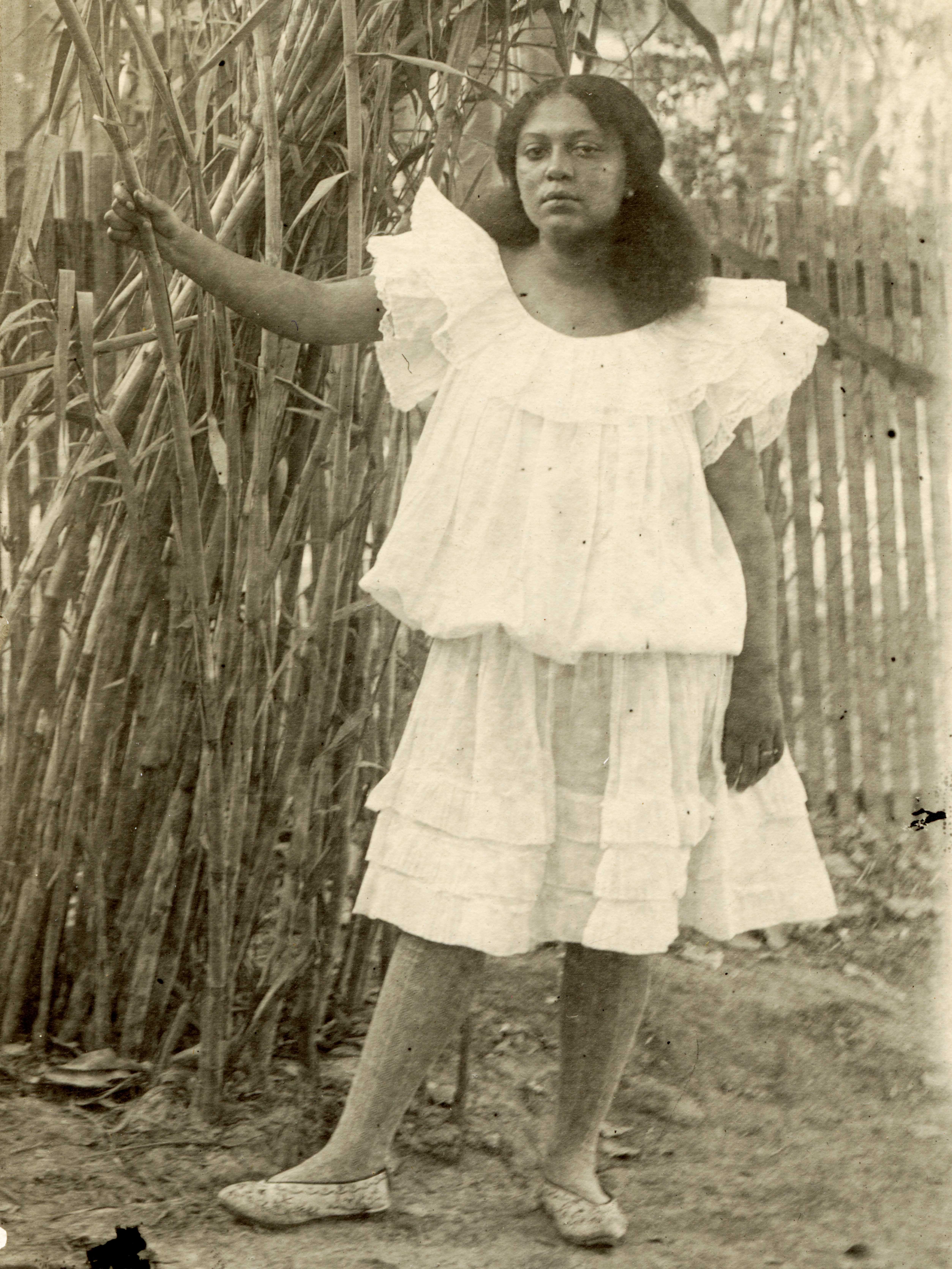
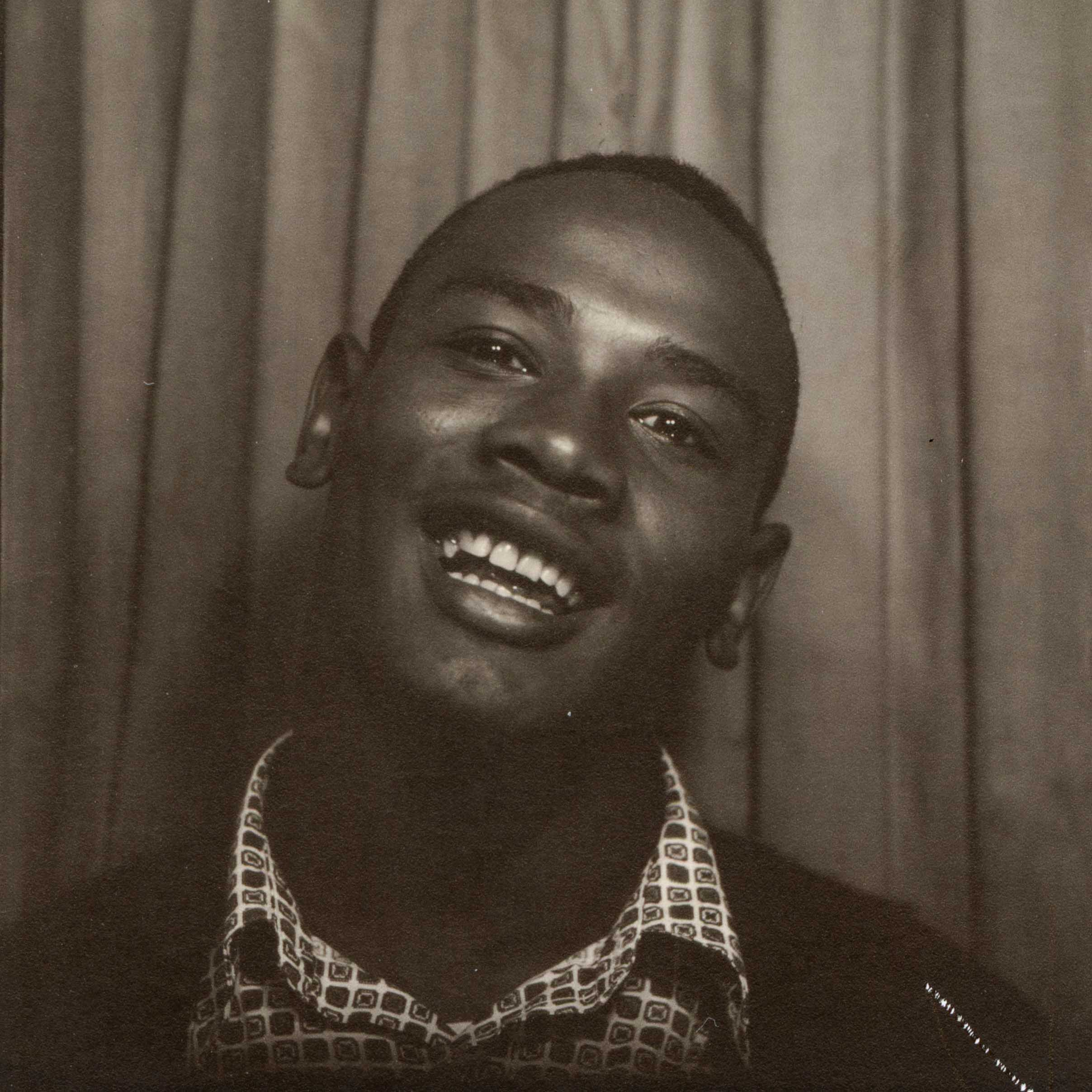
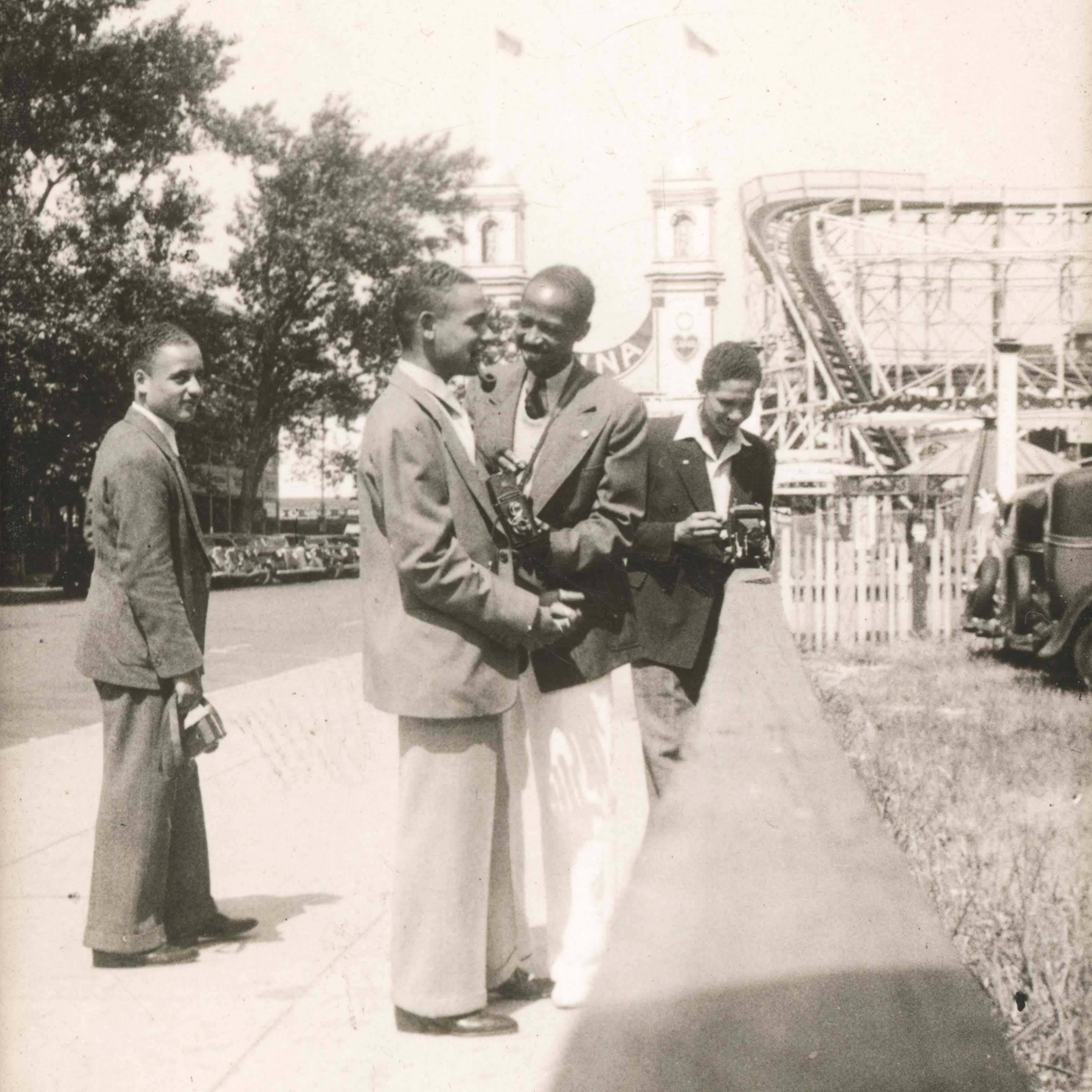
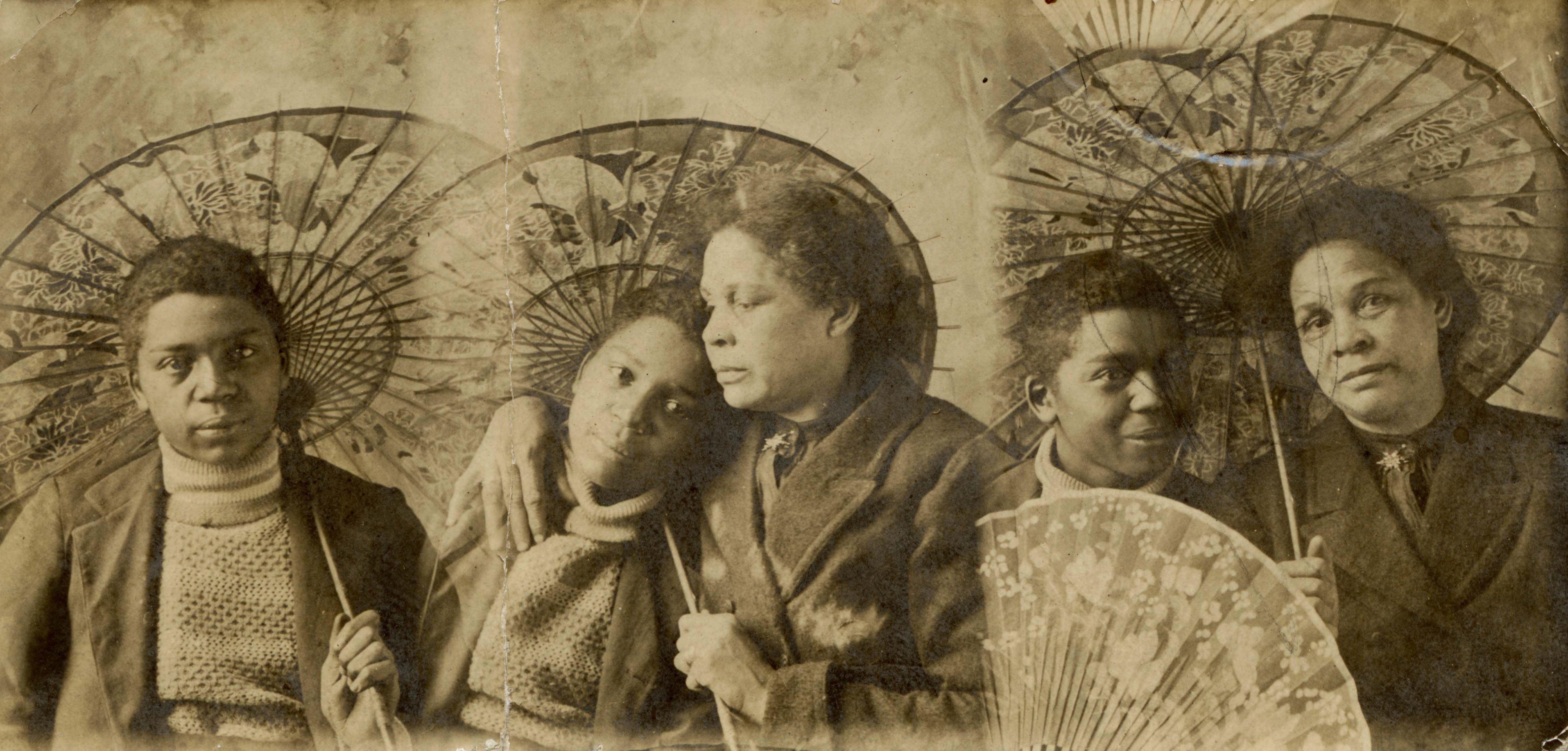
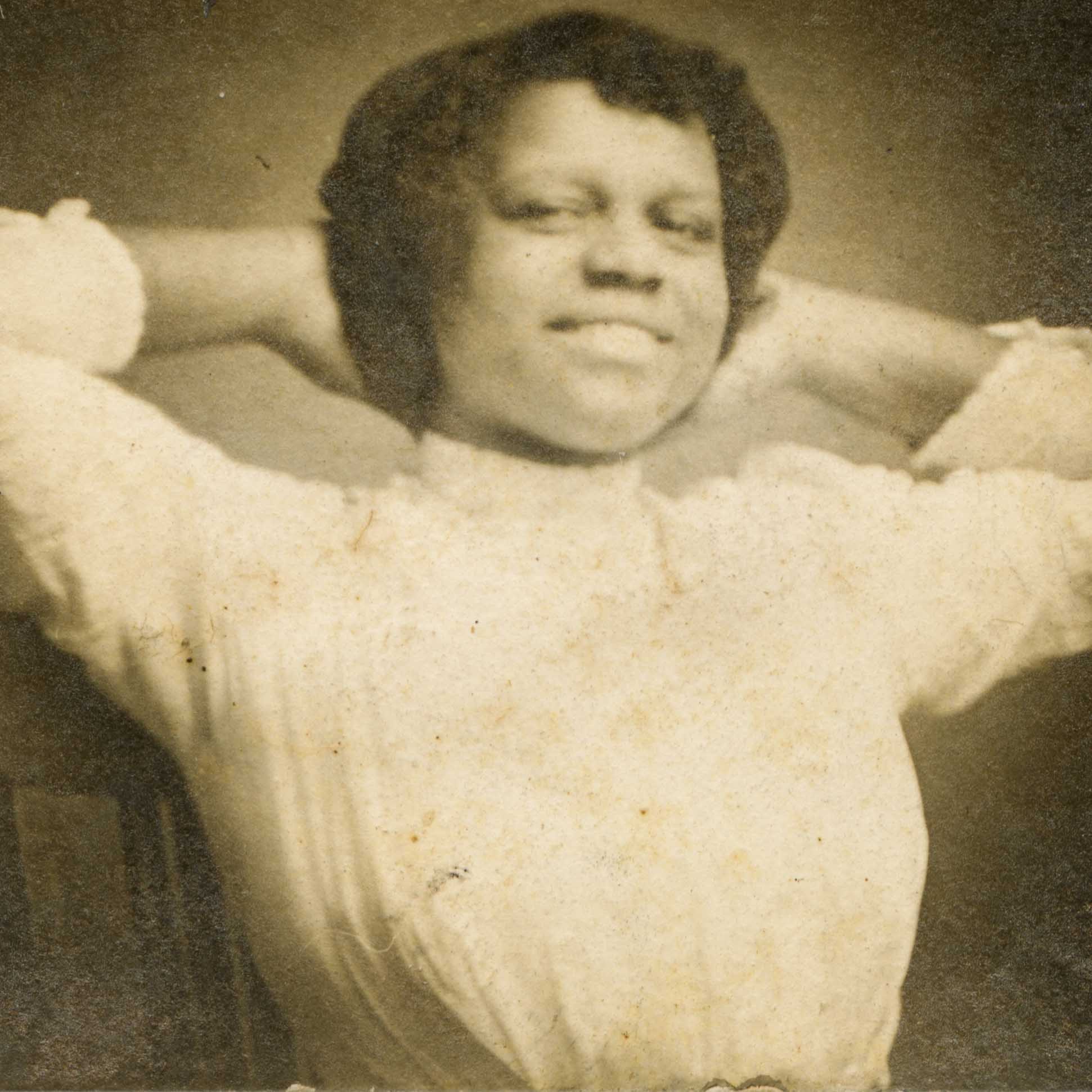
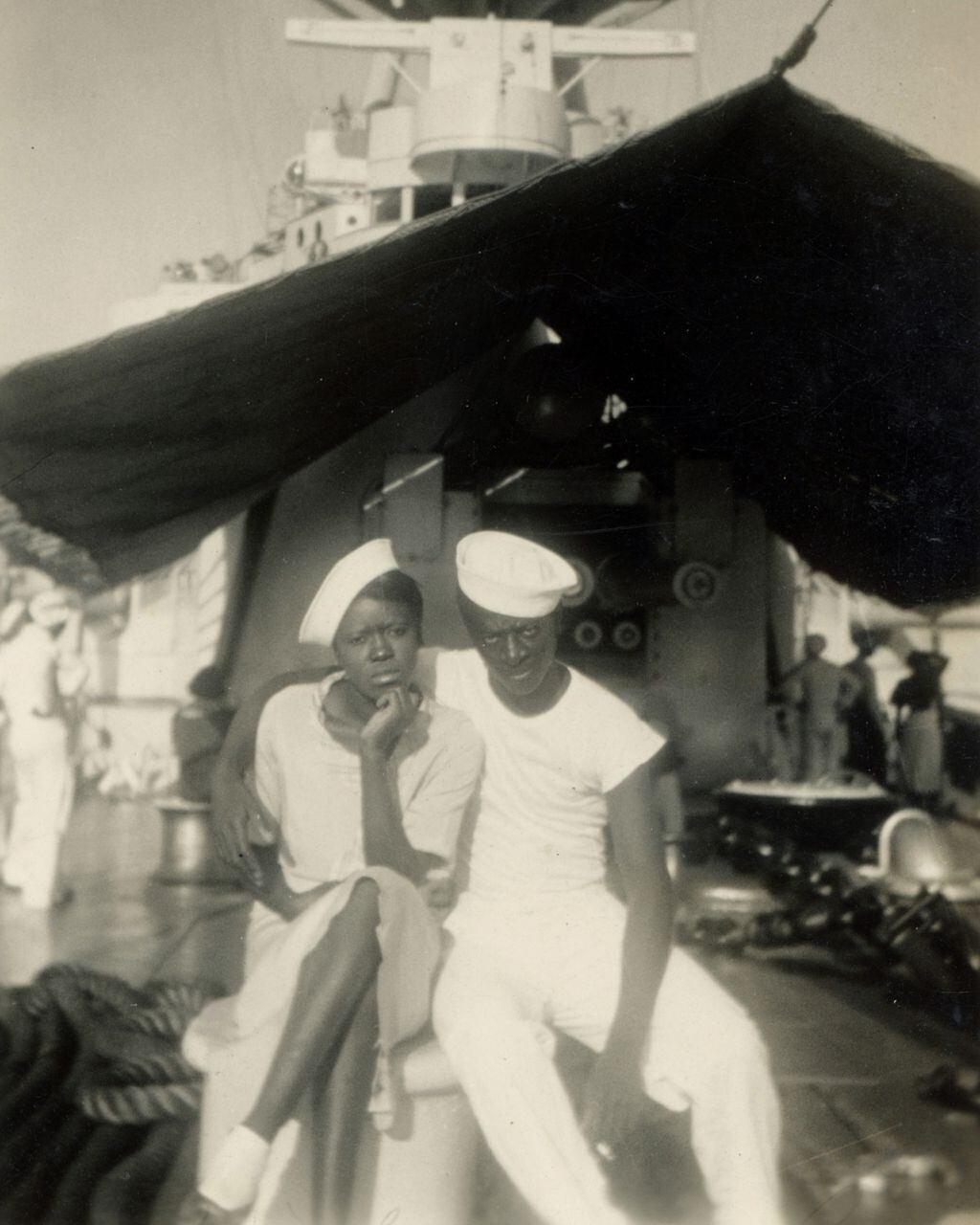
The Always Been Collection is a not-for-profit curatorial initiative devoted to the humanity, dignity, and joy of Black life as seen through the magic of everyday photographs.
Black dignity, humanity, and joy.
Through its collecting efforts, exhibitions, publications, gifts, and institutional partnerships, The Always Been Collection (TABC) seeks to illuminate the texture and range of Black life in America as its own people recorded it.
Comprising thousands of everyday photographs from the late nineteenth century to the present, the collection is as wide-ranging as its makers. Work by well-known photographers such as James Van Der Zee and Addison Scurlock sits alongside snapshots from unrecorded family photographers whose pictures matter no less. To that end, TABC works to advance the study of vernacular photography as a serious body within the larger history of American art and material culture.
Based in Tulsa, TABC is the public name of The Always Been Foundation, an Oklahoma not-for-profit corporation.
What is The Always Been Collection?
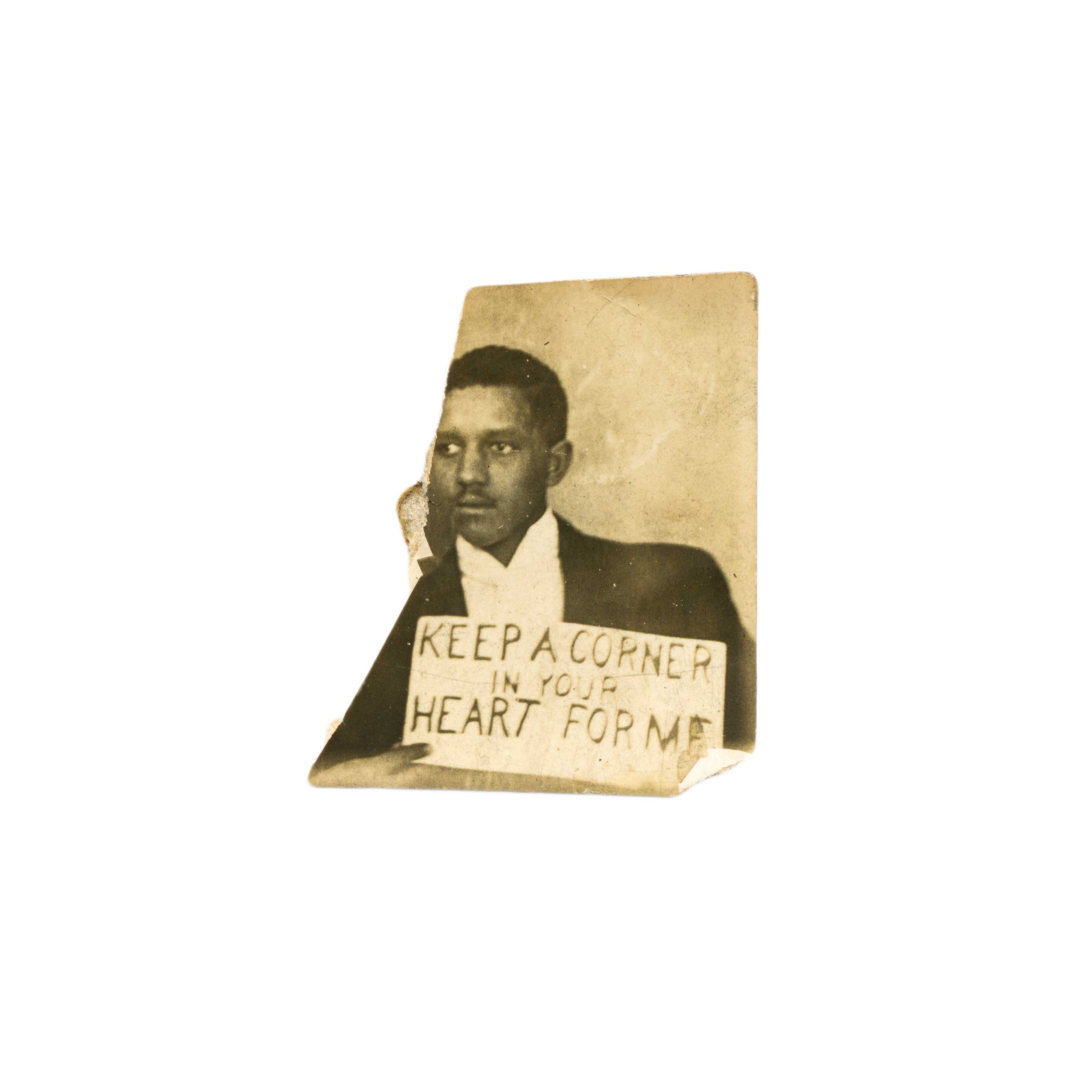
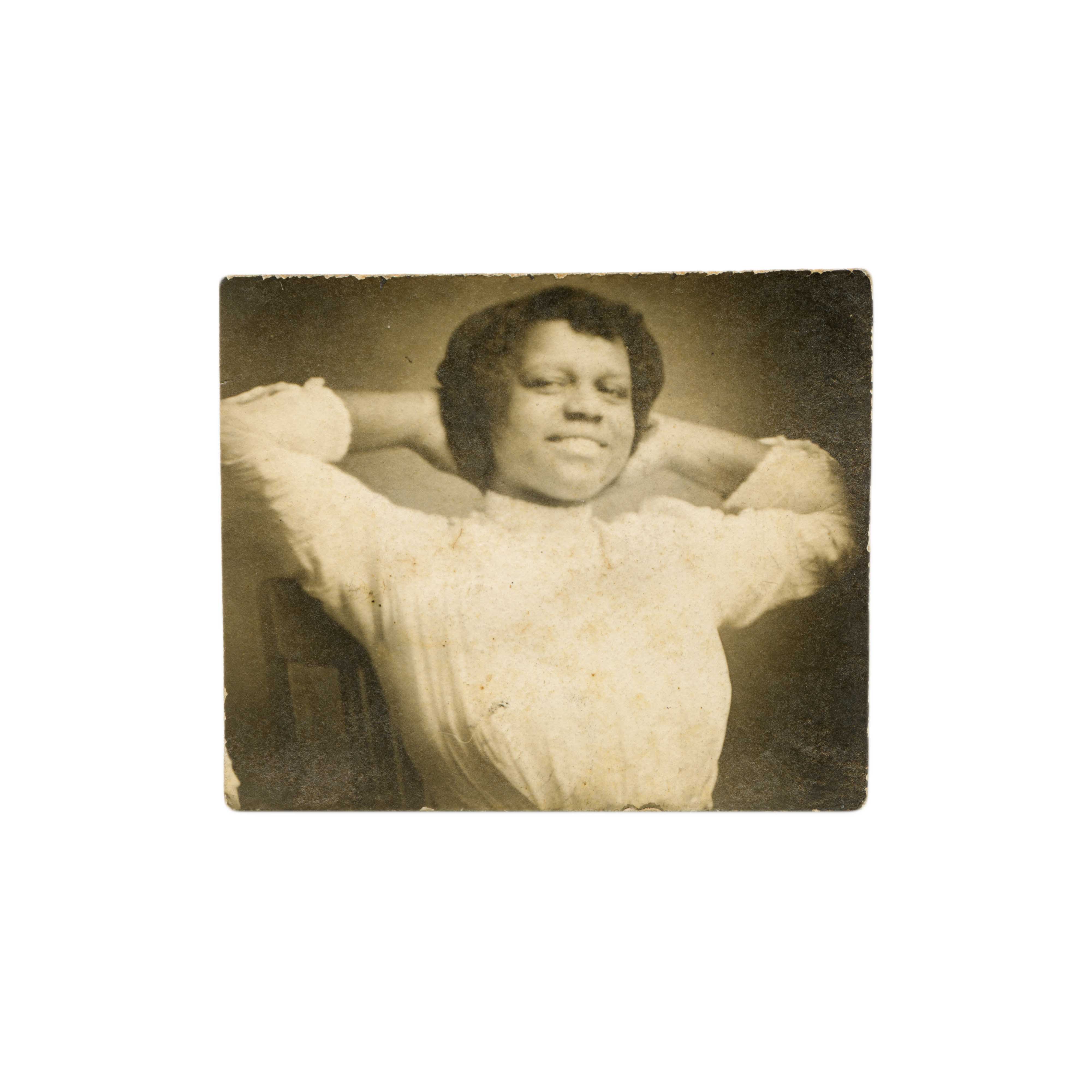
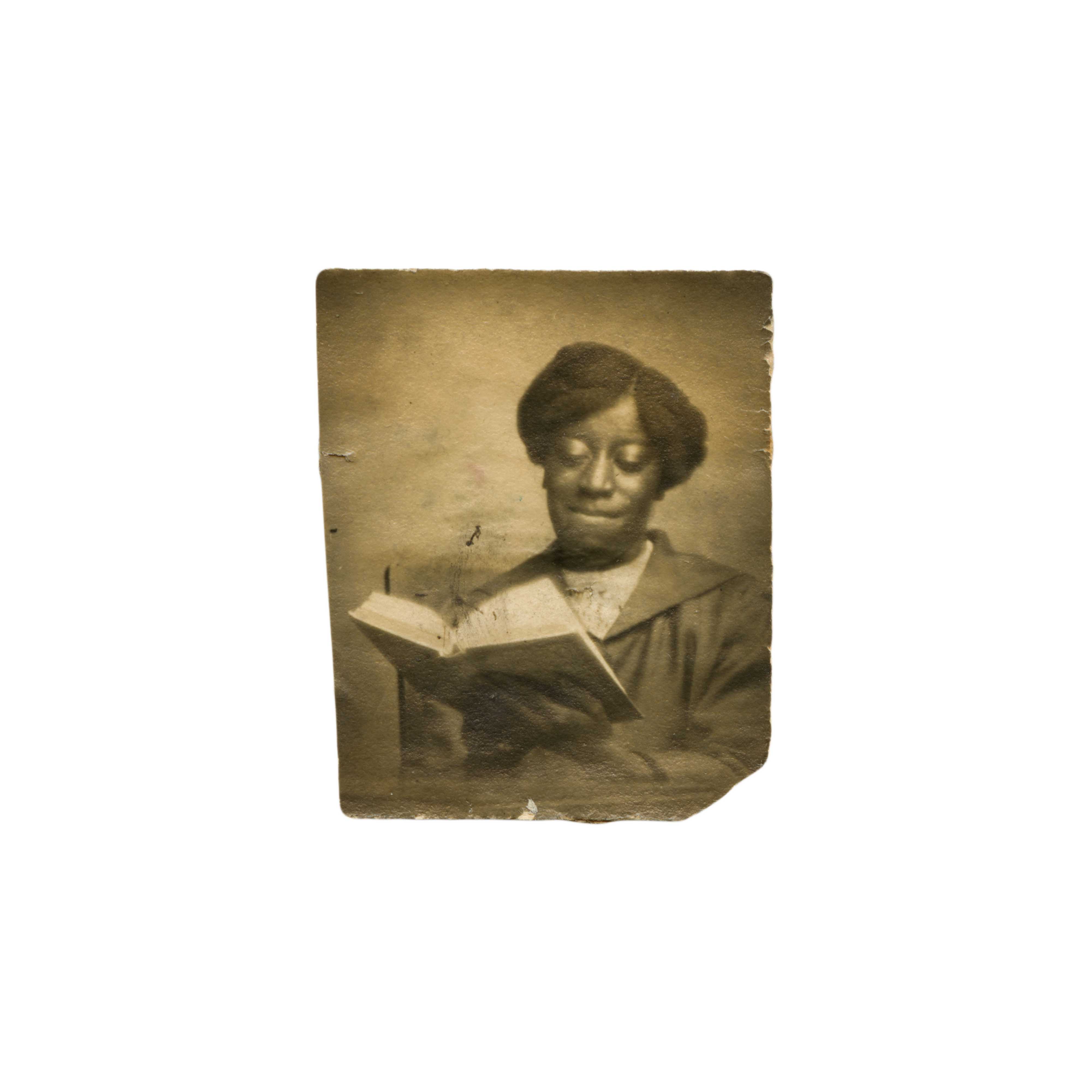
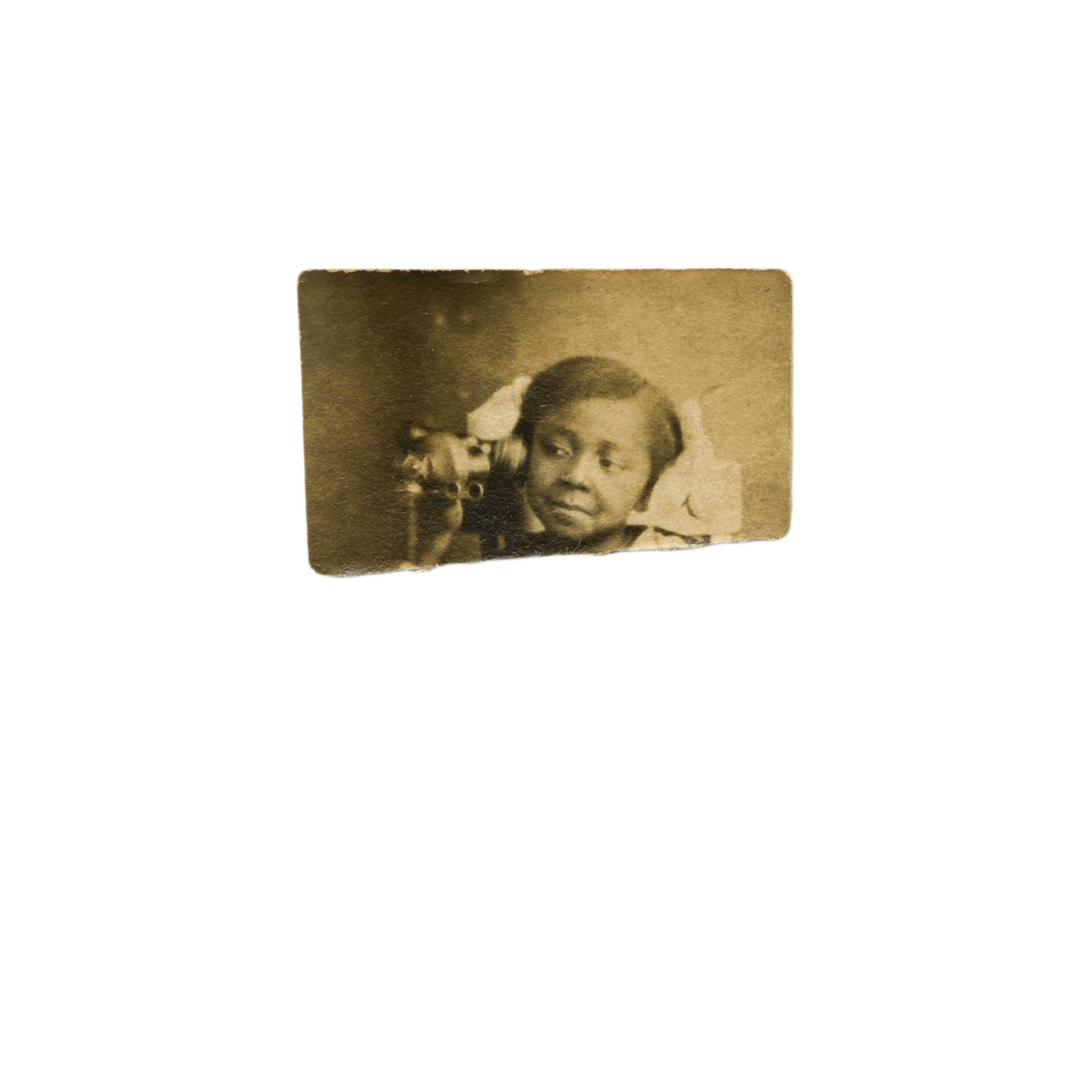
Through its collecting efforts, exhibitions, publications, gifts, and institutional partnerships, The Always Been Collection (TABC) seeks to illuminate the texture and range of Black life in America as its own people recorded it.
Comprising thousands of everyday photographs from the late nineteenth century to the present, the collection is as wide-ranging as its makers. Work by well-known photographers such as James Van Der Zee and Addison Scurlock sits alongside snapshots from unrecorded family photographers whose pictures matter no less. To that end, TABC works to advance the study of vernacular photography as a serious body within the larger history of American art and material culture.
Based in Tulsa, TABC is the public name of The Always Been Foundation, an Oklahoma not-for-profit corporation.
Recent Highlights
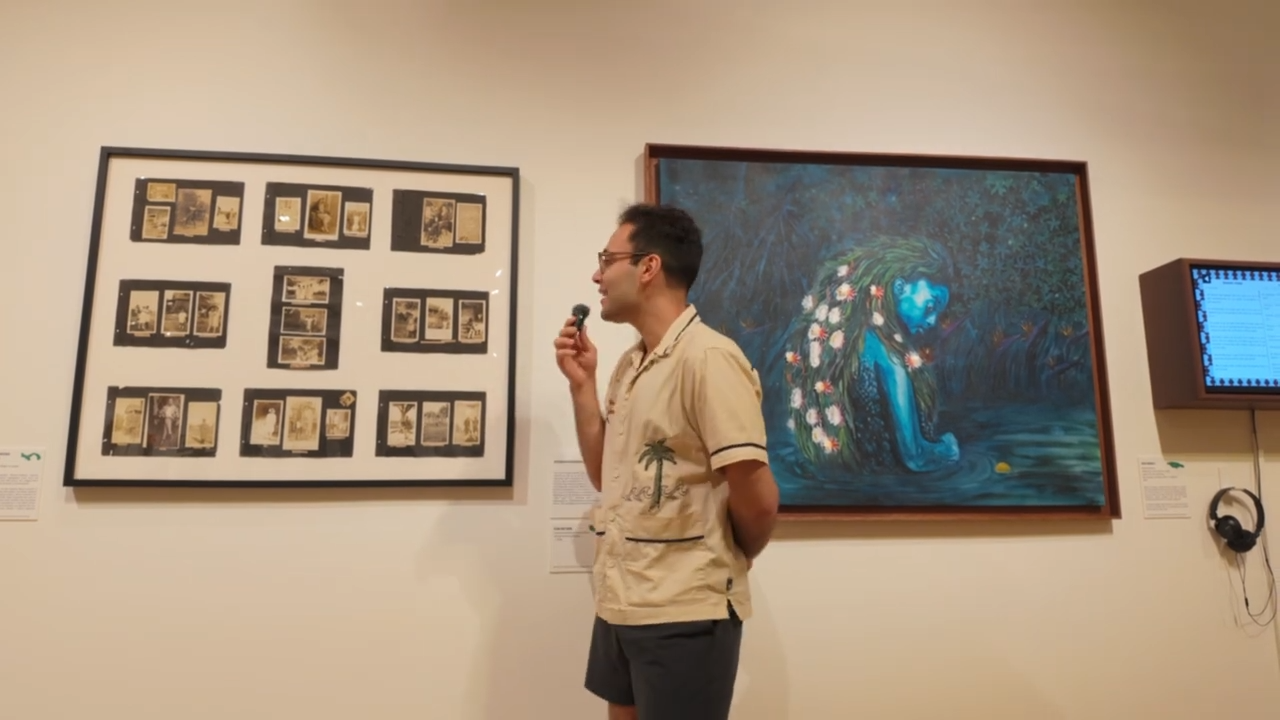
Recent exhibitions, acquisitions, and press. A record of where the collection has been and how it's being used. Explore the featured items and click the media to read or watch in full.
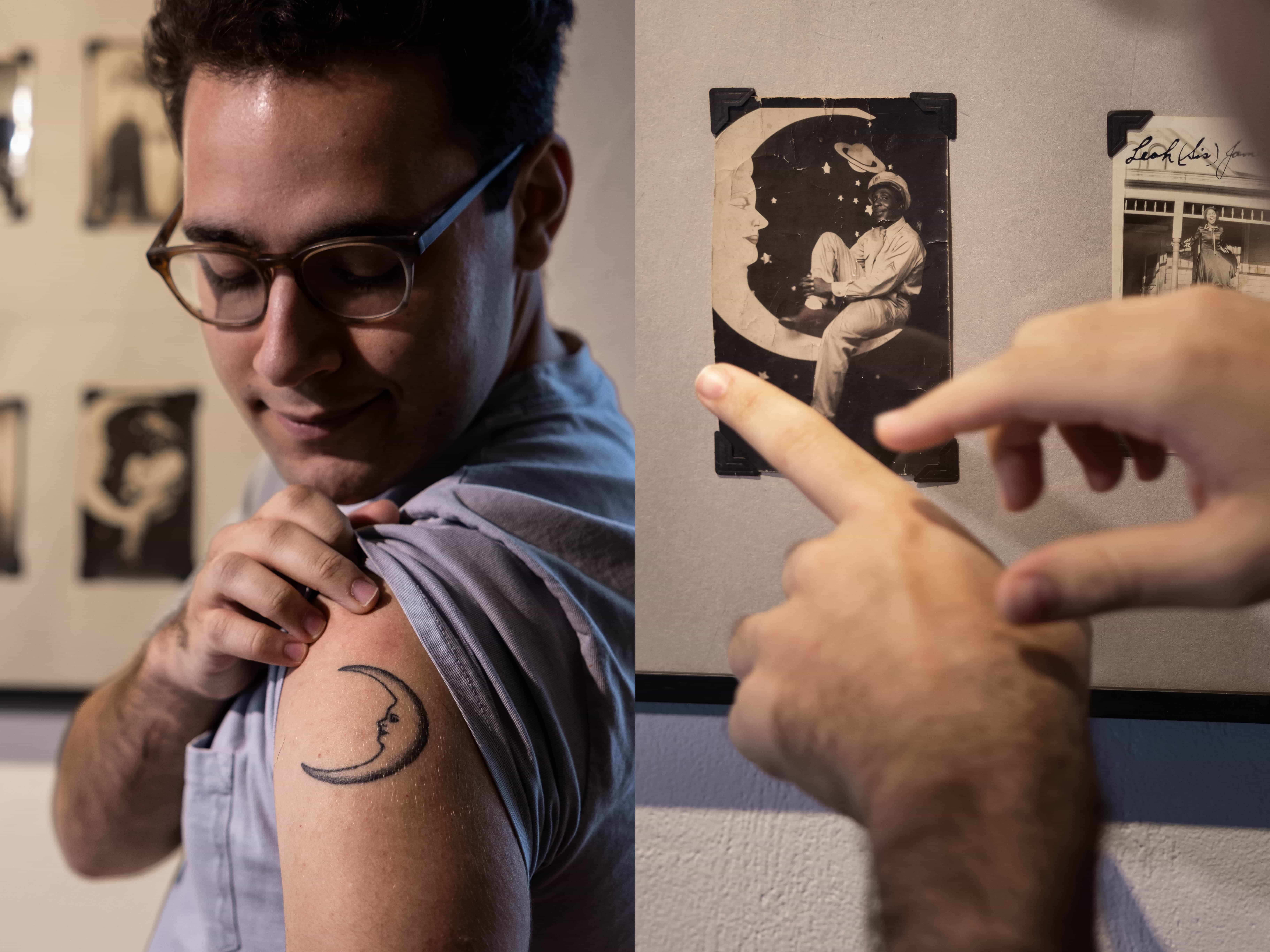

Medium length hero heading goes here
Lorem ipsum dolor sit amet, consectetur adipiscing elit. Suspendisse varius enim in eros elementum tristique. Duis cursus, mi quis viverra ornare, eros dolor interdum nulla, ut commodo diam libero vitae erat.
Explore the Collection
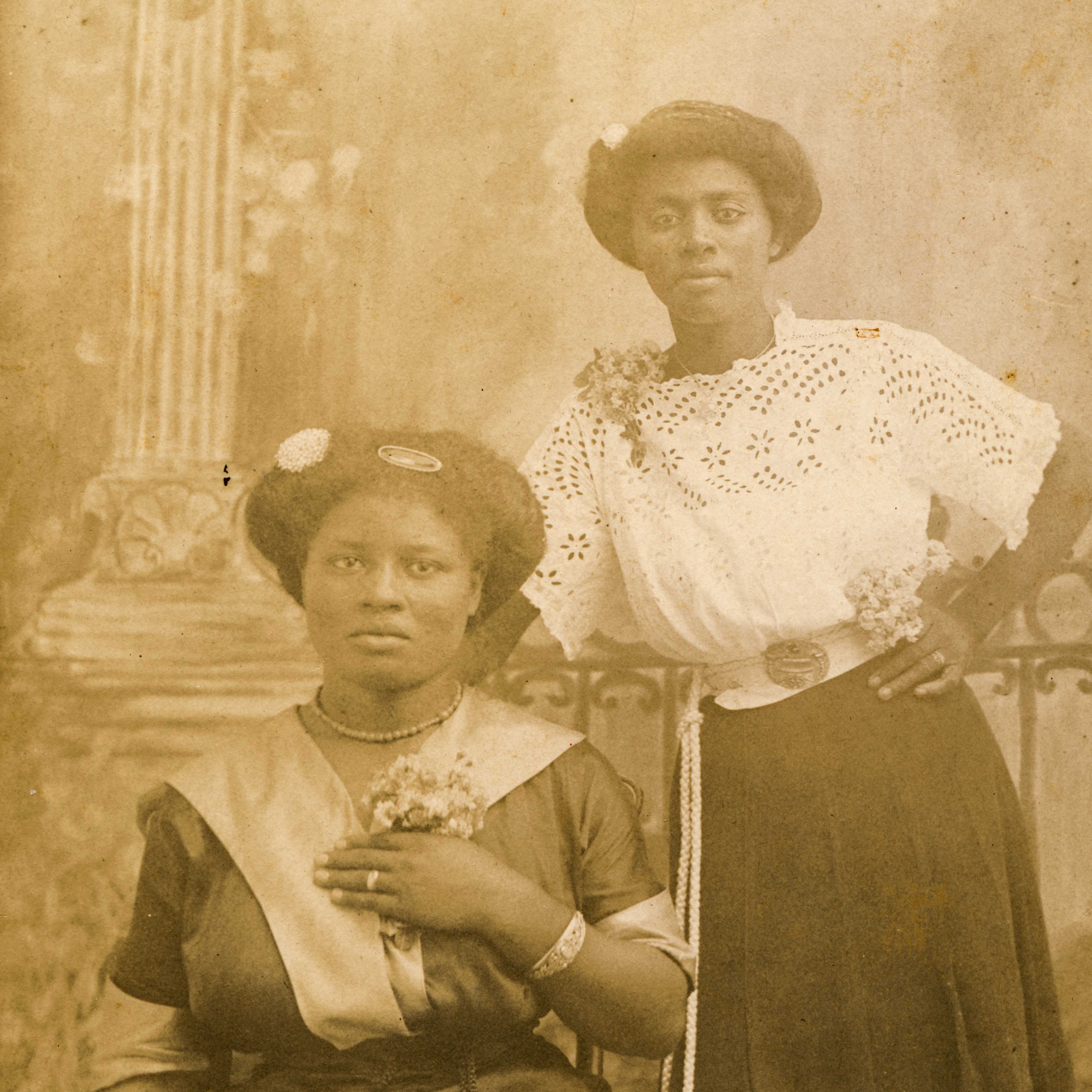
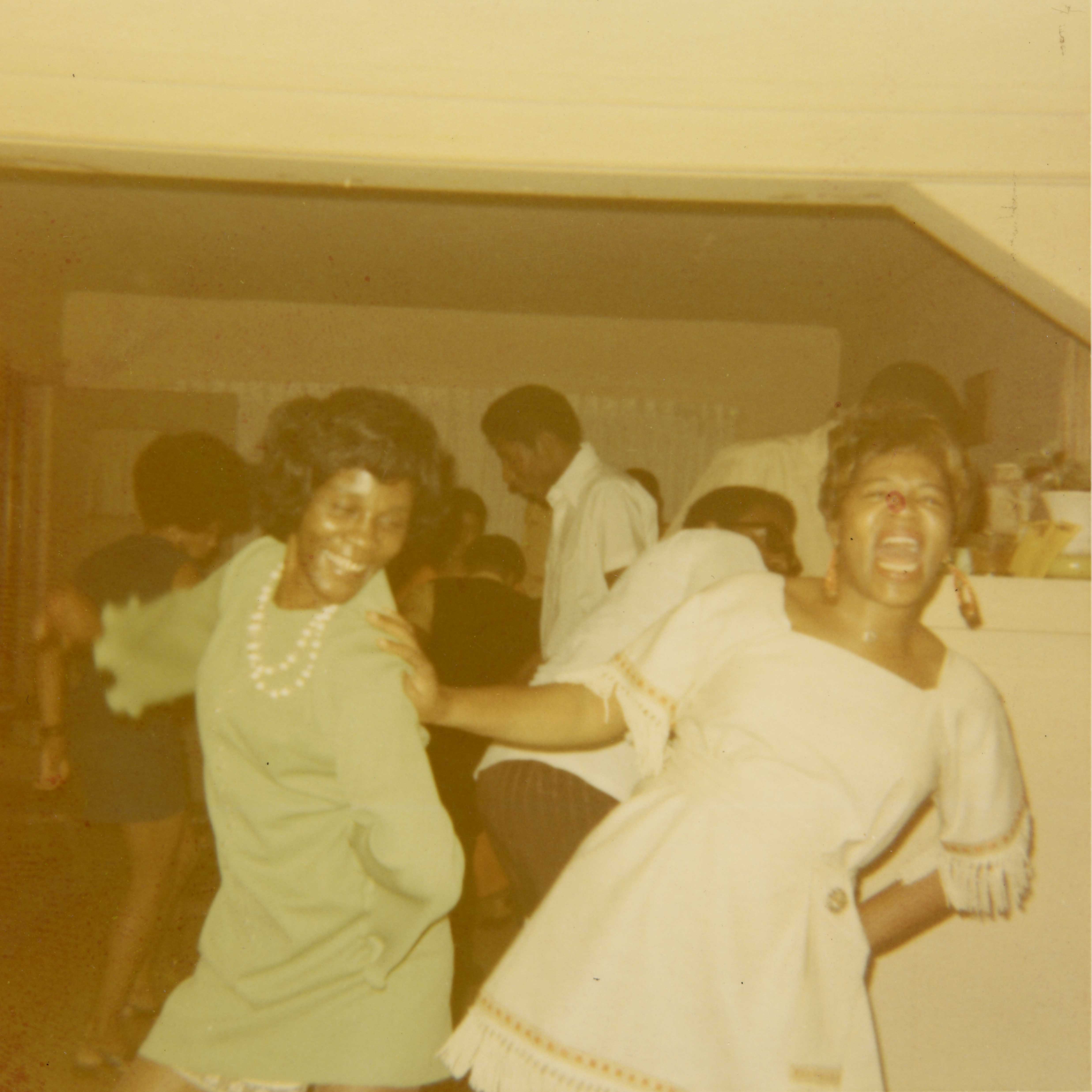
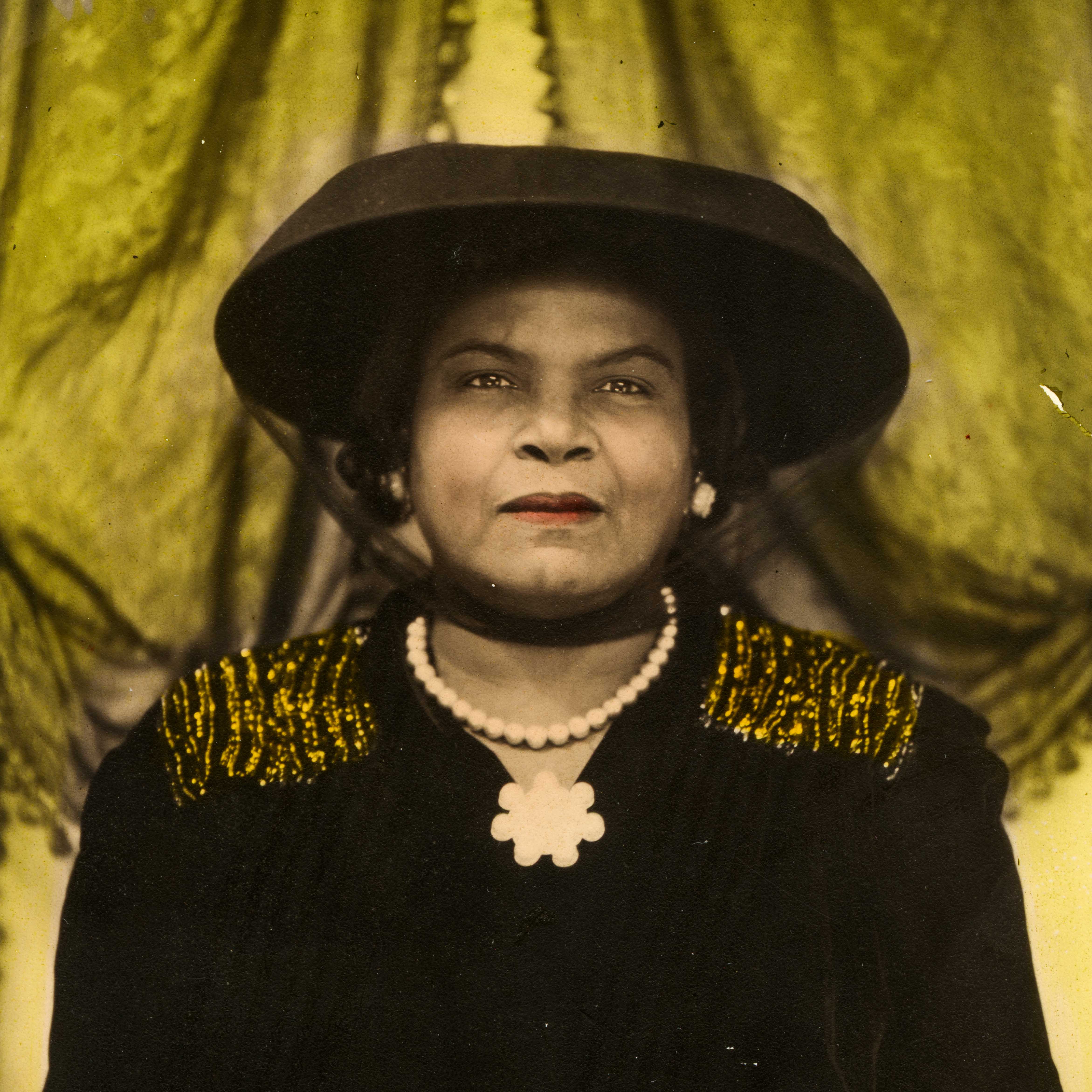
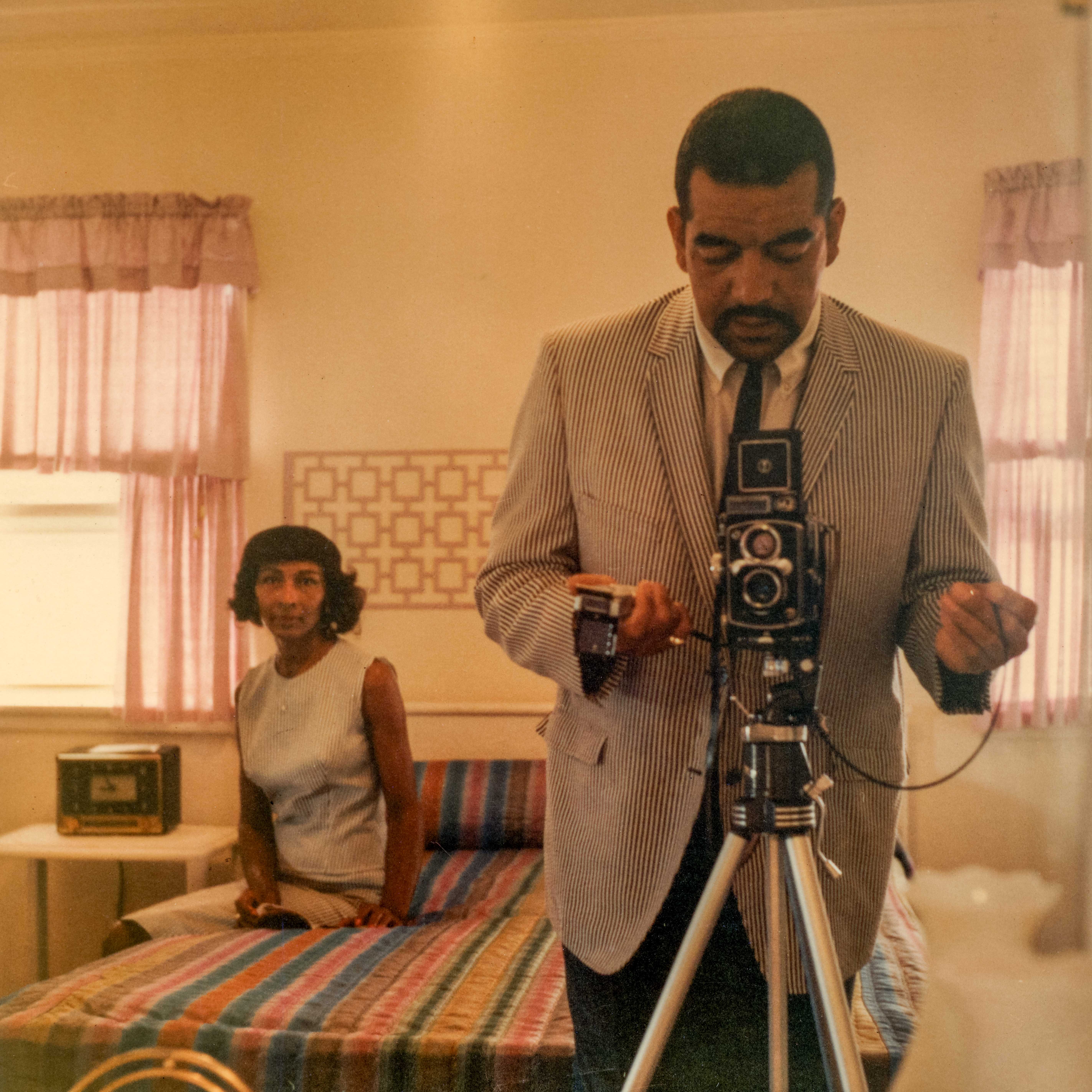
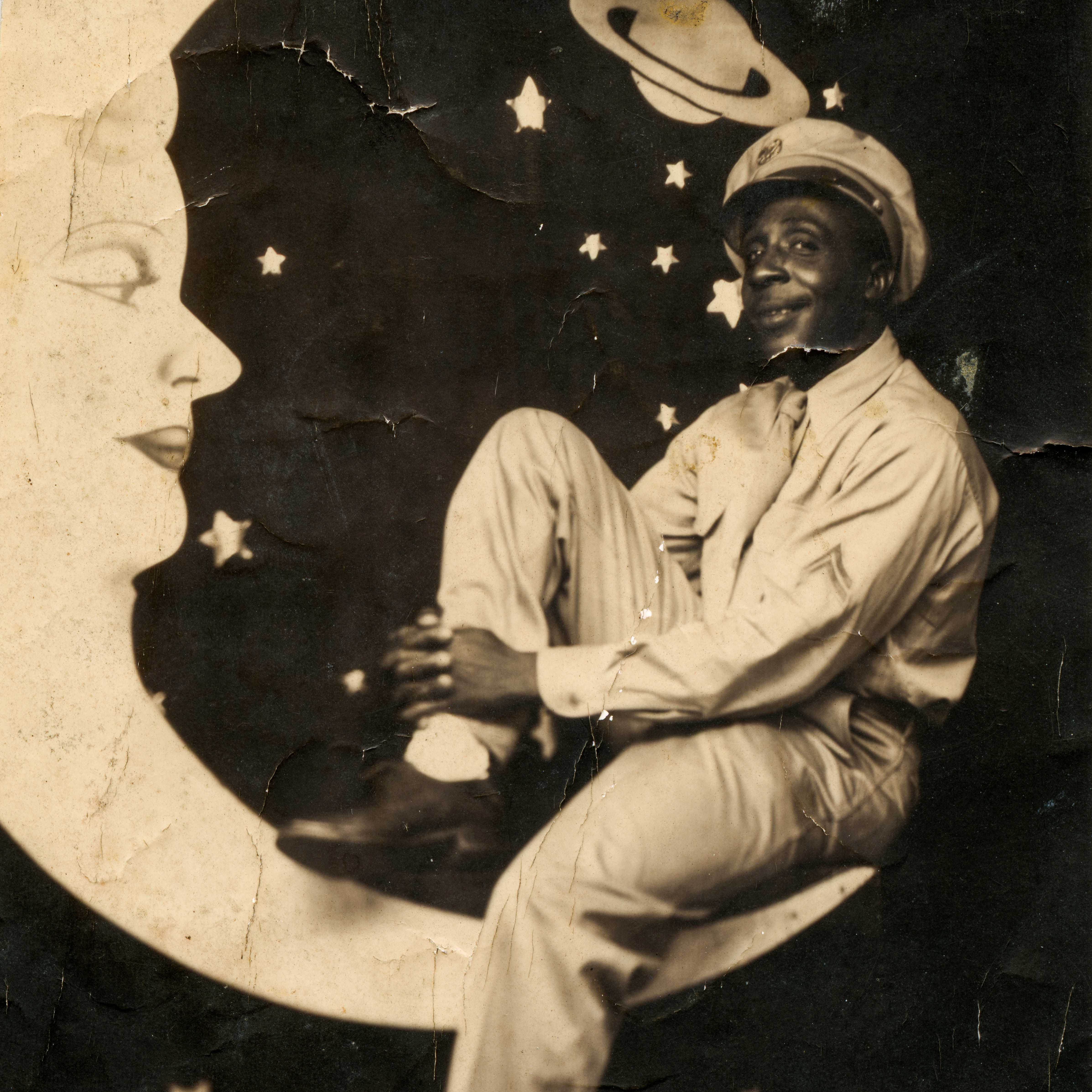
Browse studio portraits, snapshots, albums, real photo postcards, crayon portraits, photo jewelry, and more, spanning more than a century — or search what you're looking for.
FAQs
Common questions about the collection and how to work with it. If yours isn't here, please write to us.
Originally established as the Always Been Project in 2020, The Always Been Collection (TABC) remains true to its founding mission: to collect, preserve, research, exhibit, and publish Black vernacular photography and related material culture.
What began as a small curatorial endeavor grew into a substantial collection of everyday Black photography. In 2026, Always Been was restructured into a not-for-profit corporation—The Always Been Foundation—to steward the long-term needs and health of the collection.
Based in Tulsa, Oklahoma, The Always Been Collection is the public name of The Always Been Foundation. The collection is led by founder and curator Parker Thompson.
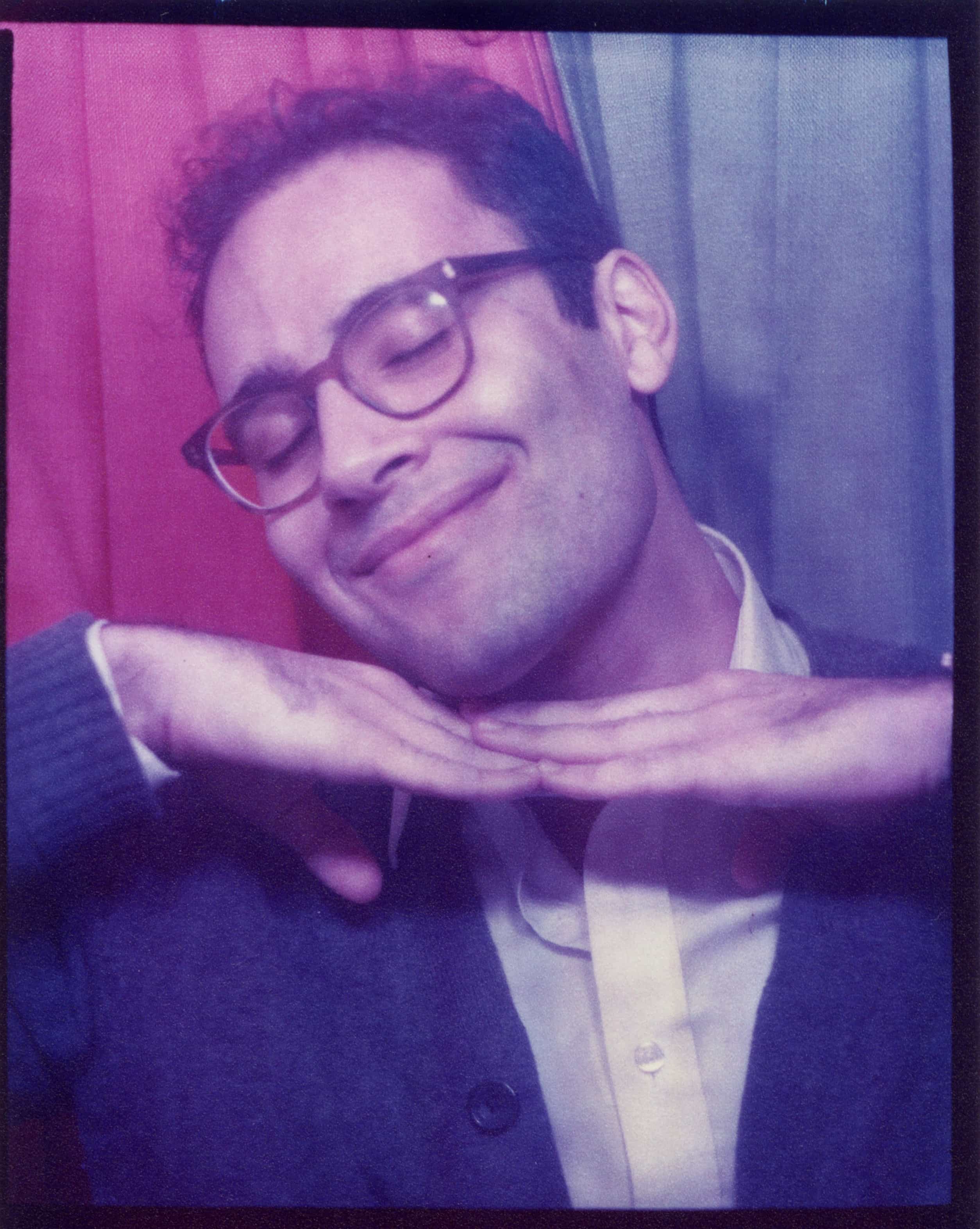
Photographs and objects in The Always Been Collection are primarily sourced from online resale sites such as eBay and Etsy. Often these photographs are listed by sellers who acquired them at estate sales and thrift stores, or recovered them after they were discarded.
Importantly, vernacular photography is an intimate form of cultural patrimony. The photographs in TABC were made for specific people, circulated in specific communities, and were never intended to enter an institutional collection. Many of the subjects are unnamed to us, and the circumstances through which these objects left their original owners are often unknown—and in some cases almost certainly involuntary.
While TABC does not fully resolve that tension, we do center photographs that Black Americans made deliberately, on their own terms. We hope the question of sovereignty is answered, in part, by the images themselves.
Our digital collection database is currently undergoing a major update. Though our collection site is accessible here, works are likely to be unavailable through Spring 2027. If you are interested in exploring the collection, please contact us at research (at) alwaysbeen.org.
Usage requests are evaluated on a case-by-case basis. Given the personal nature of vernacular photography, it is important to approach the material with respect for the people whose lives and likenesses are documented in it. If you are interested in working with the collection, please contact us at research (at) alwaysbeen.org.
If you are a collecting or exhibiting institution and would like to borrow work from TABC, please send your request to outgoingloans (at) alwaysbeen.org.
We welcome inquiries. TABC accepts a limited number of gifts each year, evaluated against the collection’s scope and our capacity to house and care for the material. We are not able to accept every offer, and we cannot accept works whose ownership history is unclear.
If you have photographs you think belong here, please write to research (at) alwaysbeen.org with a brief description and, where possible, images of the front and back of the works.
Loans from the Collection
If you are a collecting or exhibiting institution seeking to borrow from the collection, please contact us.
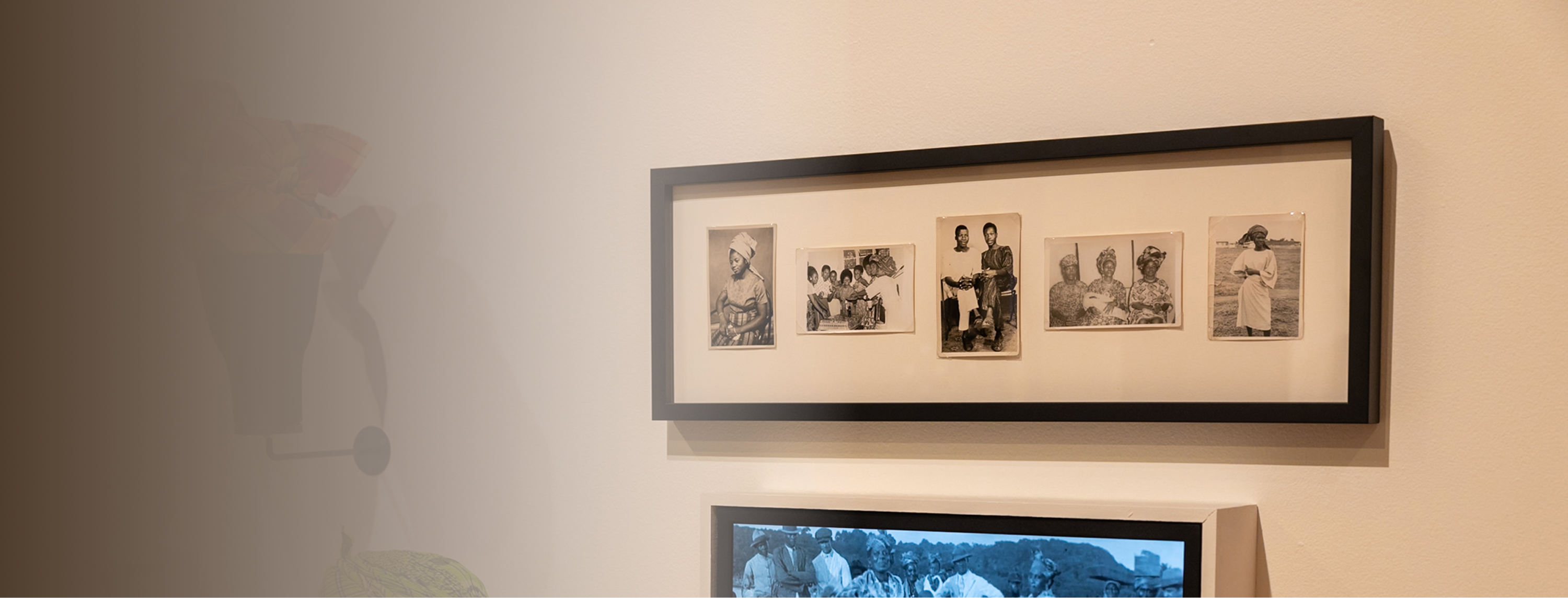
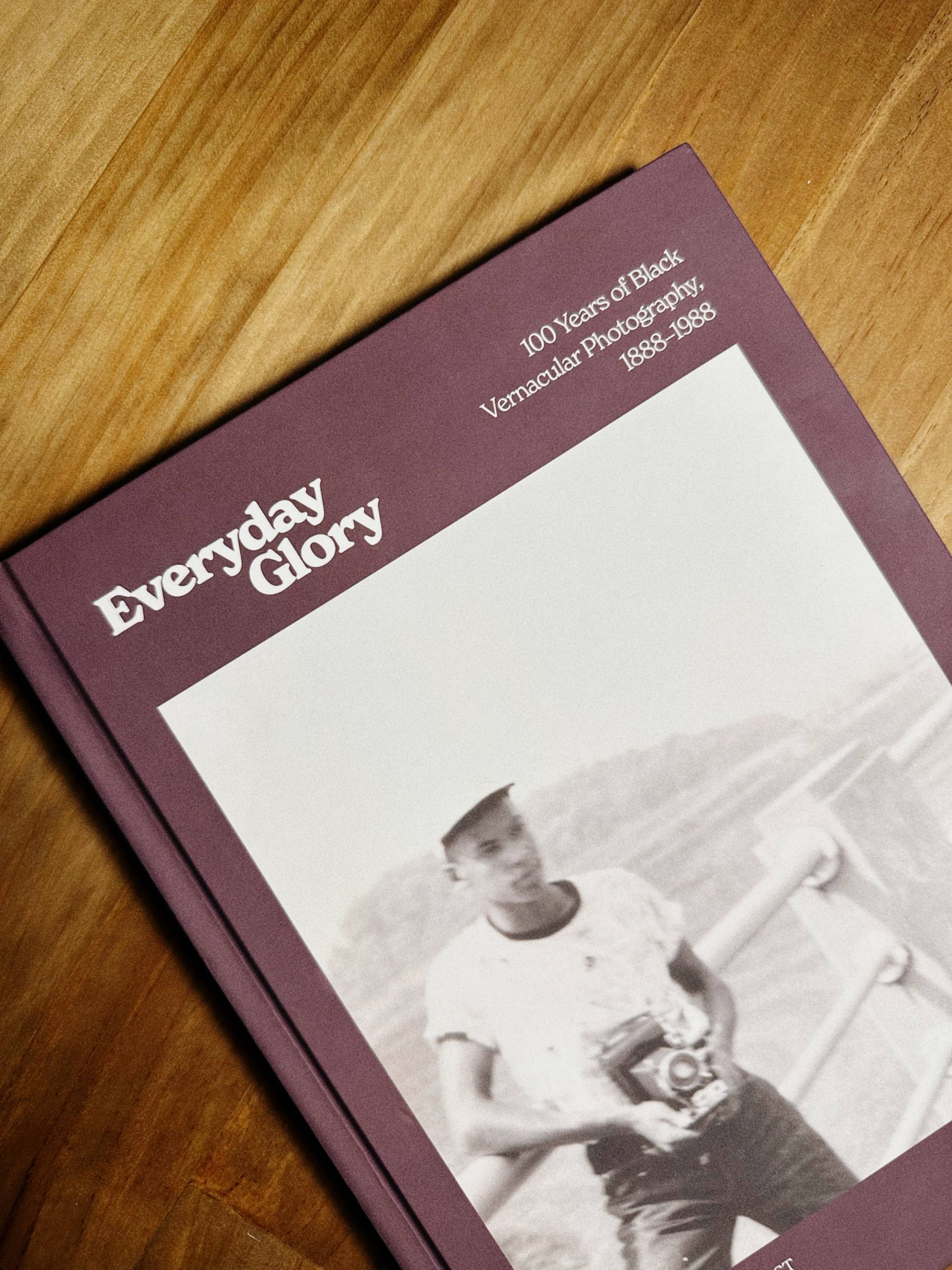
Everyday Glory: 100 Years of Black Vernacular Photography, 1888–1988
Our forthcoming—and first—publication explores the everyday photography of Black Americans, from the birth of the “snapshot” in the 1880s through to the decline of photography’s strictly analog era in the late twentieth century.
During this period of radical social change—from the early days of Jim Crow laws through the Civil Rights Movement and into the age of Black Power and beyond—Black Americans used photography to document their lives, construct their identities, and imagine their futures.
In this catalog we explore a wide range of everyday—sometimes called “vernacular”—photography, including family snapshots, photo-postcards, crayon portraits, and more. At a time when visual culture is central to conversations about representation, these photographs from The Always Been Collection resonate as intimate acts of self-definition.